Pool School: Your Guide to Understanding Your Pool
Pool School Service Quote
"*" indicates required fields
Water Chemistry Basics
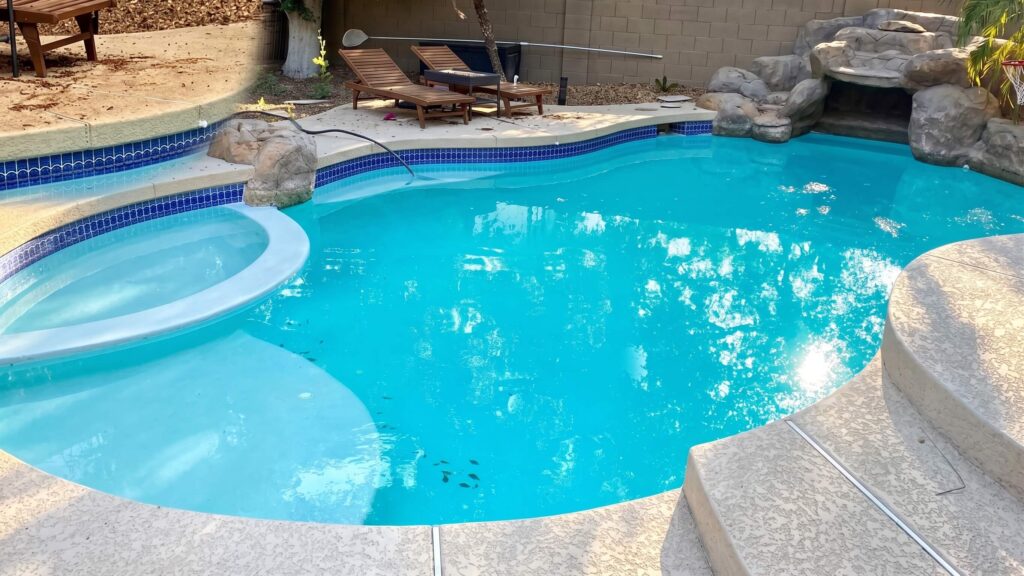
Keeping your pool “safe” and “balanced” are two different jobs. Safe water means the right chlorine and pH levels to protect swimmers from bacteria and algae. Balanced water means protecting your plaster, tile, and equipment from long-term damage caused by minerals in the water column.
A pool can look perfectly clear and still be out of balance, which is why routine testing (not just a glance at the water) is the only way to know for sure. For a deeper dive into the specific chemistry, visit our FAQs to learn more!
Common Pool Problems
Seasonal Pool Care
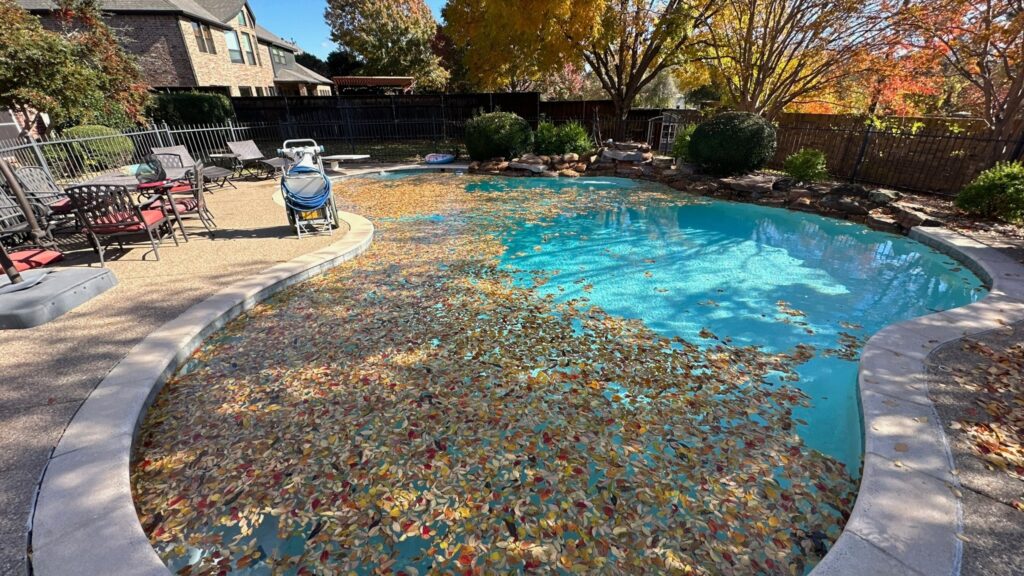
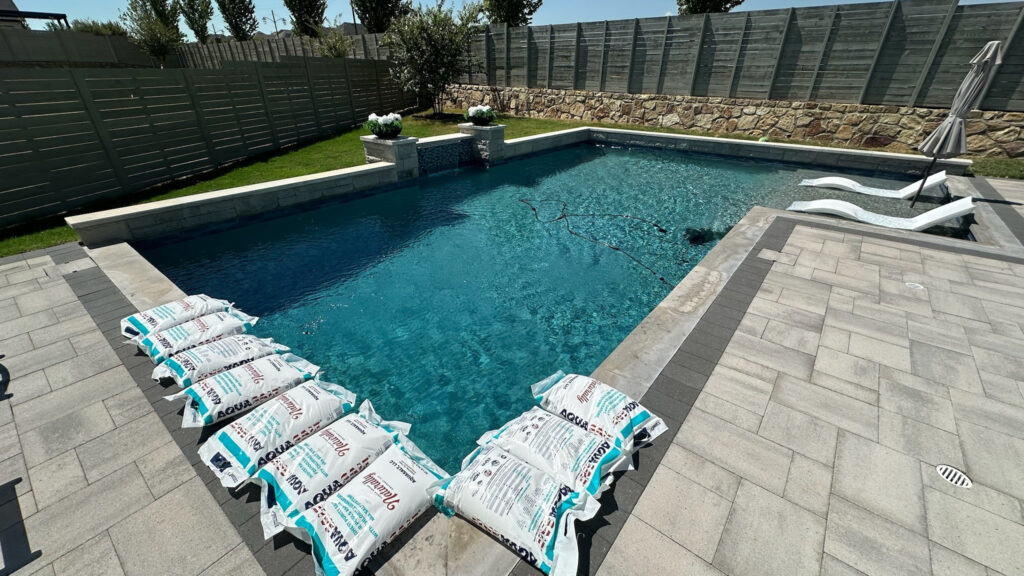
Texas pools don’t get a true “off season,” and that’s exactly why fall and winter are when a lot of preventable damage happens, pool owners stop paying attention once swim season ends, right when water temperature swings put the most stress on plaster and equipment. Keeping your pump running (even at reduced hours) and staying on top of water testing through the colder months protects your investment year-round.
Equipment 101
Your pump, filter, and chlorination system all work together to keep your pool safe and clean. Understanding the basics such as how long your pump should run, when your filter needs attention, and what options exist for automating the process will help you make smarter decisions about your pool’s upkeep. Curious about upgrading to smarter, more efficient equipment? Visit our pool automation page to learn more.
Want to Learn More About Our Pool School?
Pool care can feel complicated, but you don’t have to figure it out alone. Contact High Tide Pools for a free quote and let our team take the guesswork off your hands. Not sure if you’re in our coverage area? Check out our Service Area page to see if we service your neighborhood.